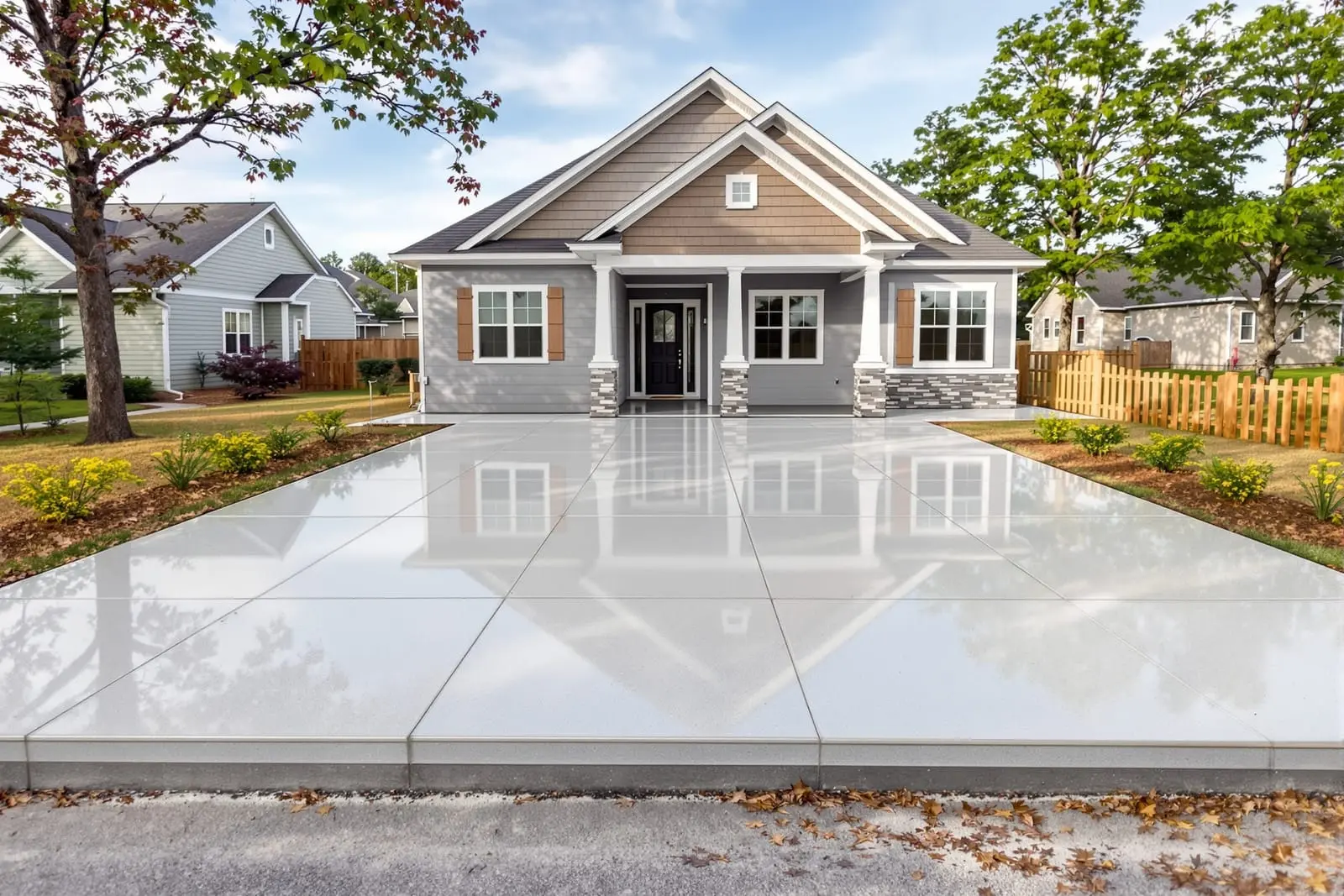
We provide concrete slab installation in Miami, FL for home additions, sheds, and outdoor structures. Our crew prepares the site with grading and compaction, then installs forms, reinforcement, and high quality concrete. Whether you need a small shed pad or a large structural slab, we pour to the right thickness and specs. Start your project on a solid foundation with a professionally installed concrete slab.
Vanguard Concrete Miami provides professional concrete slab installation throughout Miami, FL and the surrounding area. Our licensed, insured crew delivers safe, clean, on-time work with a free estimate before anything begins. Call (786) 789-0484 or request your free quote.
Concrete slab installation in Miami done the right way
Concrete slab installation is one of those projects where the details you do not see are the ones that matter most. At Vanguard Concrete Miami, we focus on what happens under and inside the slab, so you end up with a surface that actually lasts in our hot, humid, coastal climate.
When you call us, we start by asking how the slab will be used: parking a work truck, supporting a backyard shed, extending a patio, or carrying interior walls. That tells us what thickness, reinforcement, and concrete mix you really need instead of guessing. For example, a simple 4 inch patio slab with light furniture is very different from a 6 inch slab for a driveway or boat trailer pad.
Local conditions around Miami matter more than most people think. Our sandy fill soils, shallow groundwater, and heavy summer rains can cause slabs to settle or crack if the base is not prepared correctly. We evaluate drainage, check for soft spots, and look at how storm water moves across your property so the slab does not become a low spot or a place where water pushes up through cracks later.
Because we work only in this area, we also time pours around the weather. High heat and direct sun can make concrete set too quickly, which leads to weak surfaces if it is not managed. We adjust scheduling, shading, and curing methods so the slab develops strength properly in Miami’s climate instead of just hoping the forecast cooperates.
How we actually build a long lasting concrete slab
A good concrete slab installation starts with layout and excavation. We mark the footprint precisely, confirm property lines if needed, and identify any buried utilities or existing irrigation before we dig. Then we remove grass, roots, loose fill, and organic material until we hit stable ground, usually going a little deeper than the finished slab thickness to make room for a compacted base.
Next comes the base layer. In most Miami neighborhoods we bring in compactable material, often a limestone or crushed concrete blend, and install it in lifts that are mechanically compacted. This locks up loose sand and creates a firm, even platform. Skipping this step is one of the main reasons slabs settle or crack. We use plate compactors or rollers and check for soft spots, especially near old tree stumps or backfilled trenches.
Formwork is built around the edges with straight lumber or metal forms, set to the finished elevation and pitched slightly where drainage is needed. We confirm proper slope away from your home or structure so water moves off the slab rather than back toward foundations or doors. At this stage we also plan any expansion joints or construction joints so cracks occur in controlled straight lines instead of randomly.
Reinforcement is installed before the pour. Depending on the load and slab purpose, we may use welded wire mesh, #3 or #4 rebar in a grid, or a combination of both. For heavier use areas like driveways, RV pads, or garage slabs, we often tie rebar on 12 inch centers and add thicker edge beams. The steel is supported on chairs so it ends up inside the concrete where it belongs, not sitting uselessly on the ground.
On pour day we use a concrete mix that fits the job, usually a 3000 to 4000 psi mix with additives suited to our climate. The truck chute, buggies, or a pump places the concrete into the forms, then we screed it level, bull float it, and let the initial bleed water evaporate before final finishing. The finishing type depends on use: a broom finish for driveways and walkways to improve traction in the rain, or a smooth steel trowel finish for interior slabs or covered patios where slipperiness is less of an issue.
Before we leave, we cut control joints to help manage cracking and begin curing. Proper curing is critical in Miami heat. We often apply a curing compound or use light water misting and cover methods to keep the surface from drying too fast, which prevents surface dusting and premature hairline cracking.
Design options and slab types for Miami properties
Concrete slab installation is not one size fits all, and Vanguard Concrete Miami can tailor the design to how you actually live and work on your property.
For driveways and vehicle pads, we typically recommend a 5 to 6 inch slab with rebar reinforcement, thicker edge beams, and a broom finish. Where boats, trailers, or work trucks are involved, we may increase the slab thickness or tighten up the rebar spacing. We also look at where tires will track and sometimes add localized thickened areas where the load will be greatest.
Patio and poolside slabs focus more on comfort and appearance. We still build a solid base and use proper reinforcement, but we may introduce decorative options like saw cut patterns, integral color in the mix, or a light texture that is barefoot friendly and less slippery when wet. Around pools, we pay special attention to drainage, so chlorinated water does not sit against your home or run into your neighbor’s yard.
For sheds, generators, and small structures, we look at point loads. A heavy generator on vibration isolators or a masonry storage shed puts concentrated weight on small areas. In those cases we can thicken the slab under equipment pads or along wall lines, so doors do not bind later due to uneven settling. If you are planning a future enclosure or room addition, we can pour with that in mind, matching elevations and reinforcement needed for later walls.
We also install interior house slabs, room additions, and floor repairs. In Miami’s humid environment, vapor control under interior slabs is important. That can include a compacted base, a vapor barrier, and sometimes insulation or specialized mixes if you are installing sensitive flooring like hardwood or luxury vinyl that does not tolerate moisture movement.
Surface textures and finishes can be customized beyond basic broom or trowel. For example, a light salt finish or fine broom pattern gives better traction in areas that stay damp. Where wheelchairs or walkers are used, we keep textures moderate and joints smooth so small wheels do not catch. Every finish choice is discussed up front so you know exactly what living with that surface will feel like.
What affects the cost of concrete slab installation
Customers often ask why slab prices can vary from one quote to another. At Vanguard Concrete Miami, we break down the cost of your concrete slab installation in straightforward terms so you understand what you are paying for.
Size and thickness are the biggest drivers, because they determine how much concrete, base material, and reinforcement are needed. A small 10 by 10 patio with a 4 inch thickness uses far less material than a 20 by 40 parking pad at 6 inches thick. When we quote, we specify the square footage and thickness so you can compare apples to apples with any other estimate you receive.
Site conditions also impact cost. Easy access with a truck or buggy is cheaper than having to pump concrete over a house or through a tight side yard. If the existing soil is soft, full of roots, or was poorly backfilled by a previous contractor, we may need to excavate deeper and bring in more base rock to stabilize it. It is better to spend a little more on preparation than to deal with a sinking slab a year later.
Reinforcement choice and joint layout play a role too. Heavier rebar grids, doweling into existing slabs, or adding thickened footings for future walls will add labor and steel, but they often save money over the life of the slab by preventing major cracking or movement. We are always clear about what reinforcement is included, rather than using vague language that leaves you guessing.
Finish type and decorative touches can change price as well. Standard broom finishes cost less than stamped or integrally colored slabs, because they require fewer labor steps and materials. If your priority is durability on a budget, we will steer you toward structural upgrades rather than expensive looks. If you want a premium appearance for an outdoor living area, we can explain what each decorative option costs and how it performs over time in our sun and salt air.
Finally, timing and permitting can matter. Larger structural slabs or additions may require permits and inspections in Miami or surrounding municipalities. We can handle the permitting process or work with your general contractor so the slab meets local code, which avoids costly corrections later.
Common slab problems in Miami and how we prevent them
Living in South Florida brings a unique set of challenges for concrete slab installation. The combination of high temperatures, intense sun, frequent downpours, and coastal moisture creates conditions where shortcuts show up quickly. Vanguard Concrete Miami designs and builds slabs specifically to stand up to these local issues.
One common problem is random cracking. All concrete cracks at some level, but uncontrolled cracks that wander across the slab are usually the result of missing or poorly placed control joints, weak base preparation, or inadequate reinforcement. We plan joint locations to fit the slab size and shape, cut them to the correct depth, and place steel where it will actually hold the slab together. This does not eliminate every hairline crack, but it keeps movement controlled and mainly cosmetic.
Another frequent issue is poor drainage. A slab that is perfectly flat or pitched the wrong way can send water toward your house or hold puddles that lead to mildew and surface damage. In Miami, where heavy rainstorms are common, we give careful thought to slope, surrounding landscaping, and existing drainage pathways. We may suggest adding a small channel drain or adjusting elevations slightly so the slab works with future rain, not against it.
Surface scaling or dusting can appear when concrete cures too fast in the heat, when finishing is started while bleed water is still present, or when low quality mix is used. We work with reputable local batch plants, control finishing timing, and use curing methods adapted to our climate. This protects the top layer from becoming chalky or soft.
We also pay attention to what happens around the slab after installation. For example, if new landscaping buries the slab edge or irrigation constantly sprays it, moisture can weaken edges or cause discoloration. Before we finish the job, we walk you through basic care, what to avoid in the first month, when you can park vehicles on new concrete, and what to watch for during hurricane season or extreme weather.
By focusing on these Miami specific issues during planning and installation, we aim to give you a slab that quietly does its job for years without becoming a maintenance headache.
“
Professional concrete slab installation, done right the first time, quality materials, honest pricing, and results that last.
Vanguard Concrete Miami
Concrete Slab Installation Across Our Service Area